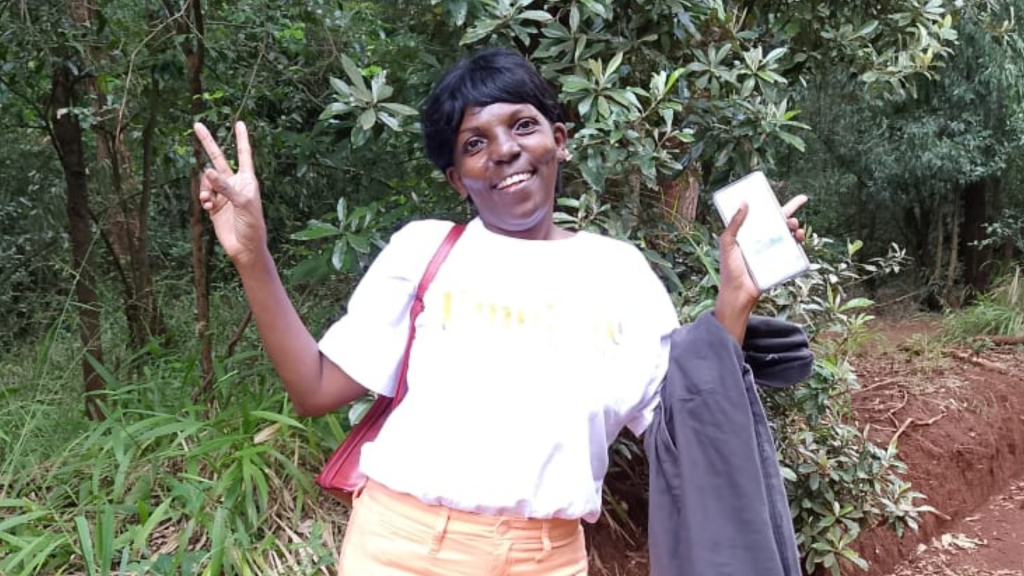
This article was written by Beryl Makaya, the founder of Emulate Greatness Initiative, a purpose-driven organization working to alleviate poverty through empowerment, education, and sustainable community development. Beryl has been teaching the EYES modules throughout its pilot and into its current state.
The Hummingbird Story
Once upon a time, a huge forest caught fire. Terrified and helpless, the animals gathered at a distance, watching flames engulf their home. In the midst of all the panic, a tiny hummingbird began flying back and forth between a nearby stream and the burning forest, carrying single drops of water to douse the flames. The larger animals, including elephants, looked on in disbelief. They mocked the hummingbird, asking how such a small effort could possibly make a difference in such an enormous fire.
The hummingbird simply replied, “I am doing the best I can.”
Its courage and determination inspired the other animals, who eventually joined in, each fetching water from the stream until the fire was finally extinguished.
This popular story, told by Wangari Maathai, the 2004 Nobel Peace Prize Laureate and a transformative environmental activist in Kenya, teaches a timeless lesson: problems may feel overwhelming, but individual action matters and when small efforts come together, they create powerful, collective impact.
For me, this story has guided my journey from the very beginning. As the founder of Emulate Greatness Initiative (EGI), an NGO dedicated to alleviating poverty in Kenya, I have come to realize that climate change is one of the biggest drivers of poverty in our country.
Despite many young people knowing about climate change and its effects, few fully understand why it is happening or how they can participate in climate action. So the “little thing I do” is creating environmental awareness and educating students, especially those living in underserved areas, about climate change, its causes and the actions they can take.
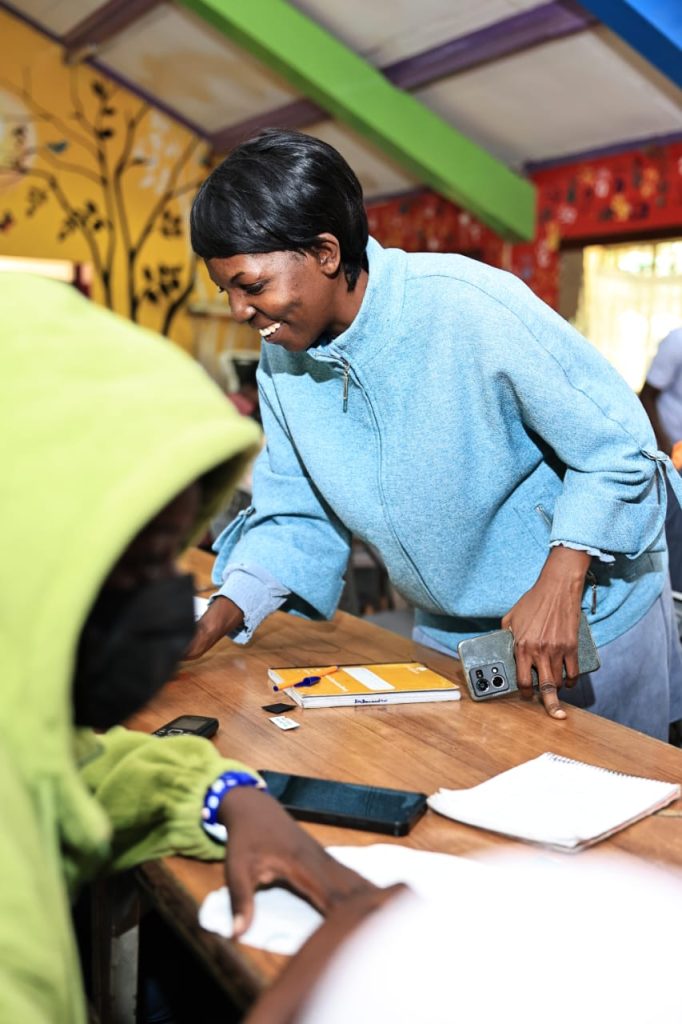
Using the EYES (Empowering Youth through Environmental Storytelling) curriculum has been particularly transformational. When I first encountered the curriculum, I became a student myself, learning from it the foundational concepts because, like many young Kenyans, I do not have a formal educational background in climate science. This experience strengthened my belief that climate education should be accessible to everyone.
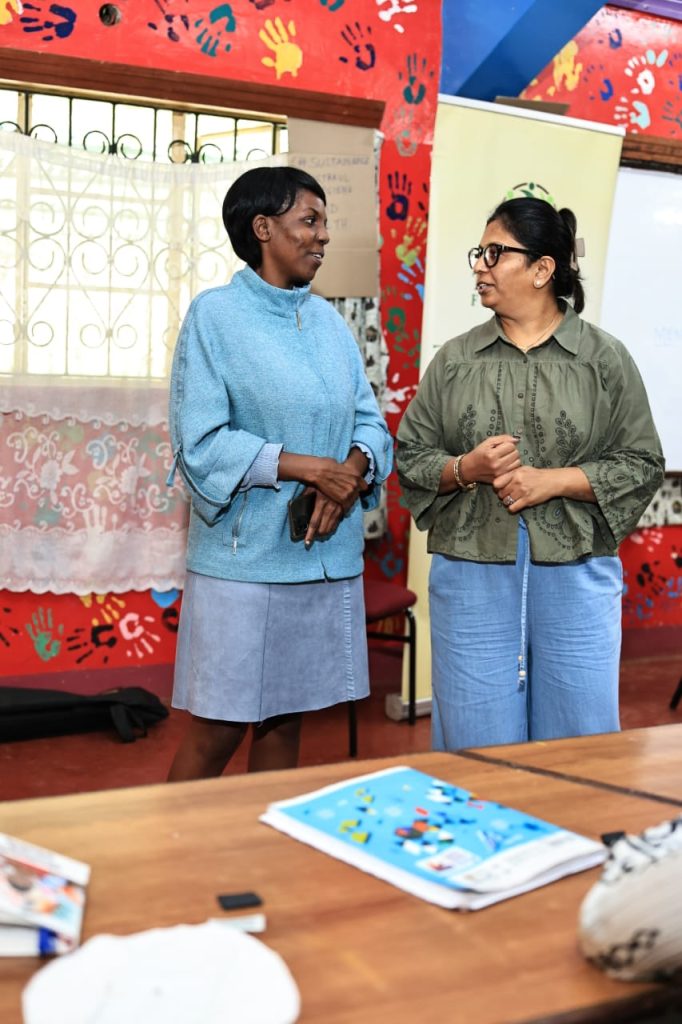
Since then, I have been teaching young people at Don Bosco Youth Educational Services (DBYES) in Karen, Nairobi and creating awareness on a topic that is not quite popular amongst the youth in my community. It is no secret that climate change is often surrounded by complex scientific language that may be overwhelming to my students, so I always dedicate our first class to breaking down core terms like fossil fuels, greenhouse gases, emissions, the greenhouse effect, and so on, ensuring that every student understands them and feels included. Most of them tell me it is the first time they have heard these concepts explained in a way that makes sense.
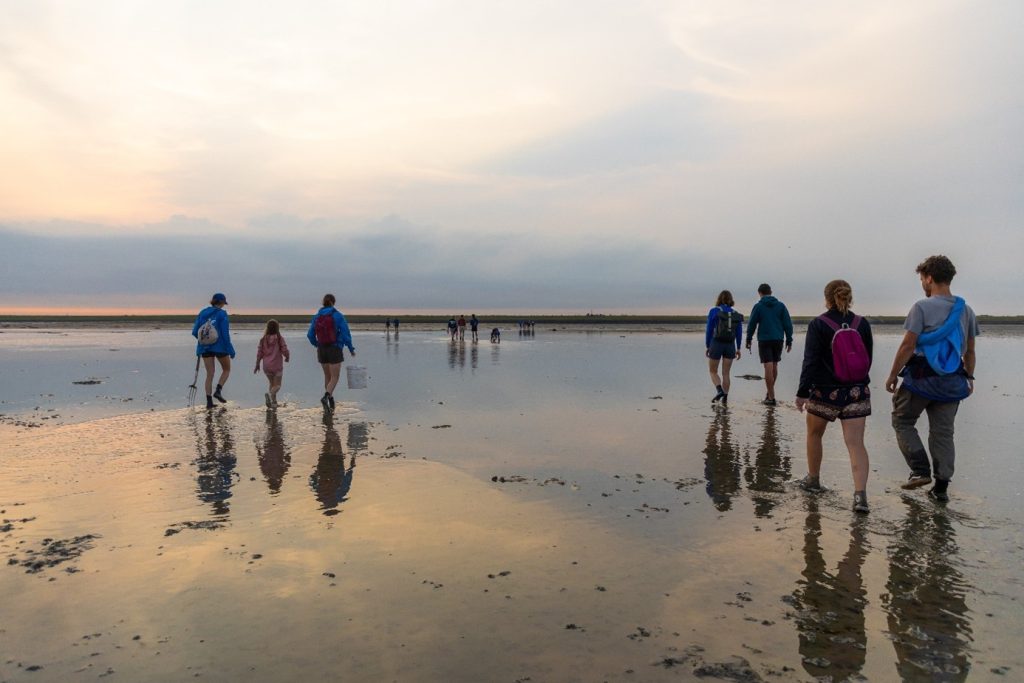
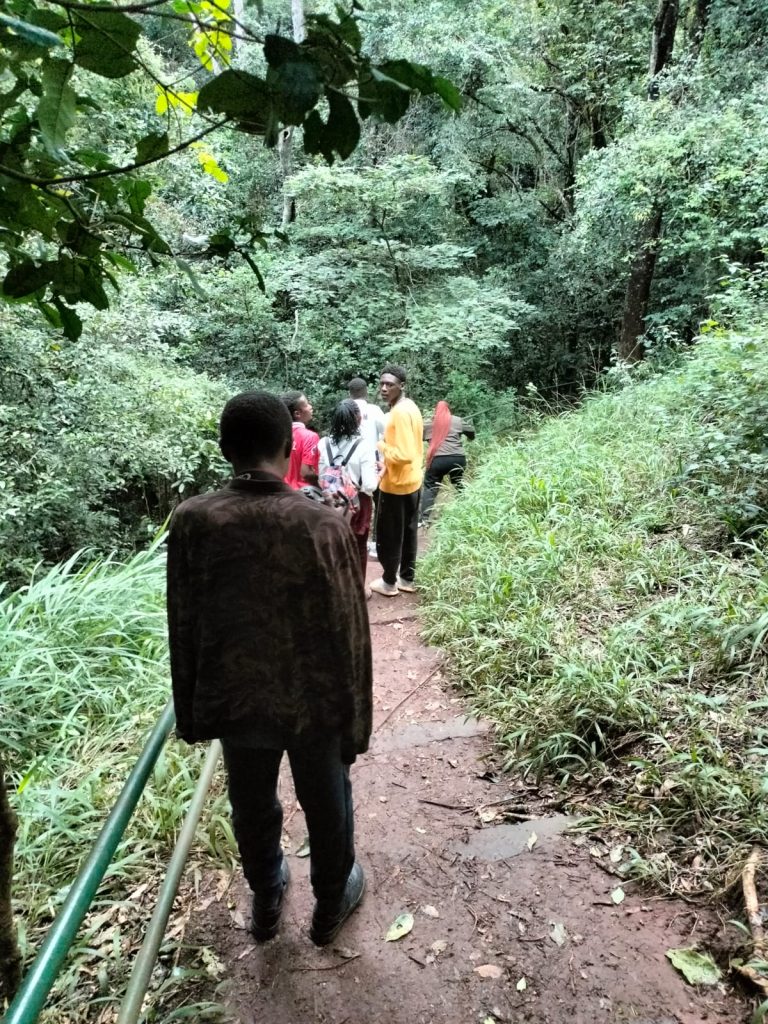
To make learning more engaging, I integrate outdoor experiences and participatory activities. With our first cohort we took a trip to Karura Forest giving students a chance to connect with nature, reflect on its importance and understand the urgent need to protect green spaces especially in a rapidly urbanizing city like Nairobi.
I also use interactive tools such as the Climate Fresk card game, which illustrates the chain of human activities and their impacts – from foundational causes to severe consequences like conflict, hunger, and disease. These visual and participatory exercises help students grasp the severity of climate change while empowering them with knowledge.
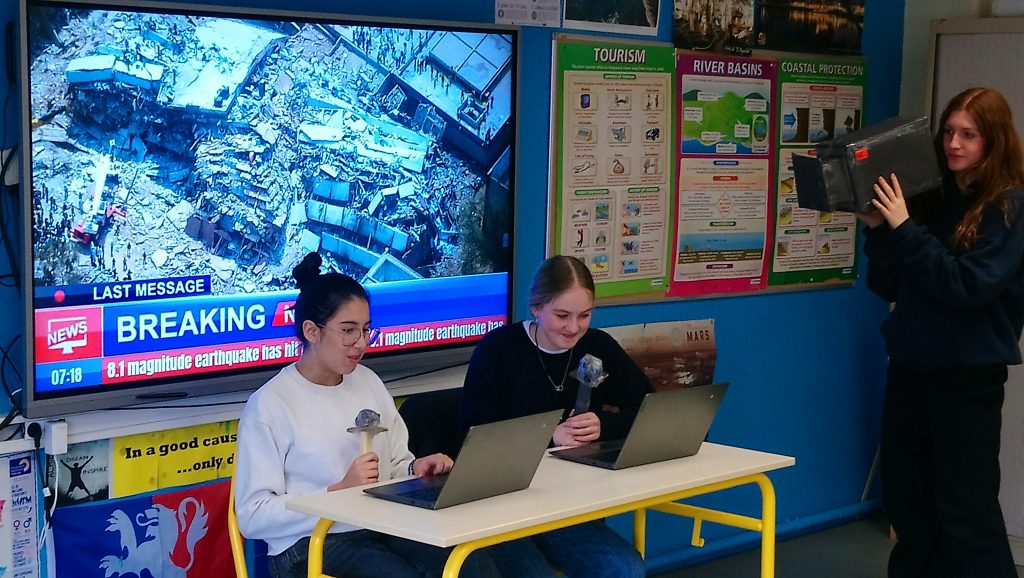
Because DBYES trains learners in media, videography and camera work, integrating environmental storytelling has been both natural and impactful. Many students arrive with a strong interest in media, making it an excellent avenue for climate communication.
With the support of mentors like Amina McCauley, I learned to blend climate science with storytelling, eventually teaching both components. Recently, students have begun writing articles and sharing their drafts with me for review a sign of the ripple effect that meaningful teaching can create.
Climate storytelling has also reshaped my understanding of how knowledge is passed down across generations. I believe that climate change must be communicated through stories that are relatable, visual and compelling enough to resonate with young audiences.
At the moment, we are working on producing an environmental-themed short film to teach communities about the dangers of deforestation, especially for charcoal burning. The students are excited to participate and I am confident that the project will deepen their understanding of how everyday actions contribute to climate change.
As I reflect on my journey, I often return to the hummingbird. Like that tiny bird, each of us has something small yet meaningful that we can contribute. For me, it is teaching – empowering students with knowledge, nurturing their creativity and helping them discover their own voices in climate action.
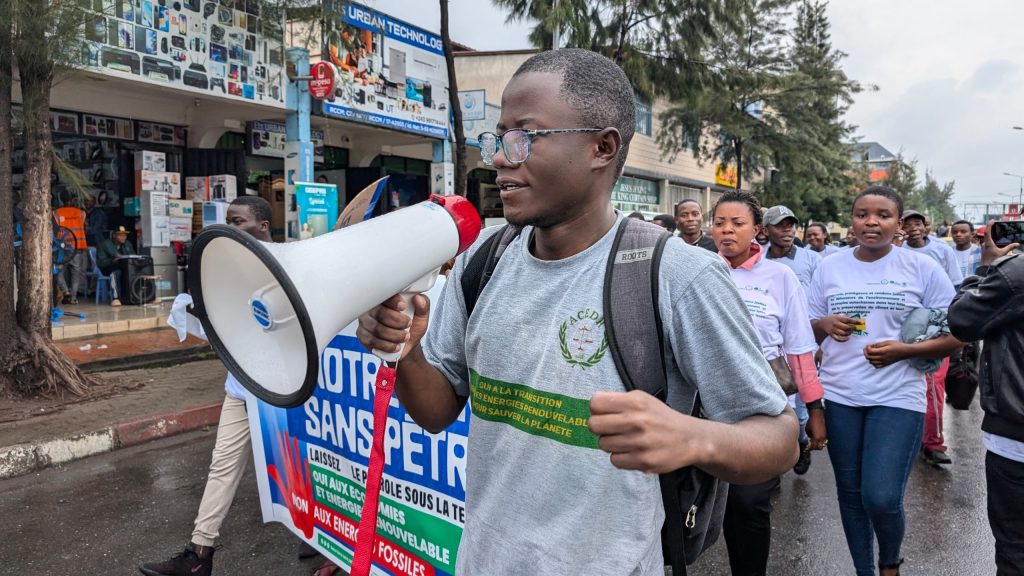
I encourage teachers, especially across Africa, to integrate environmental education into their classrooms. Although our continent contributes the least to global emissions, we suffer some of the harshest impacts of climate change and it is only through awareness, knowledge, and collective action that can we achieve climate justice.
Just like the hummingbird, we must each do the little we can — because together, our drops of effort can put out fires.