Global, generational, and societal injustices, and the economic system.
In this unit, learn about the Global North and Global South, the global economic system, and injustices within a country or society and between generations.
Learning objectives
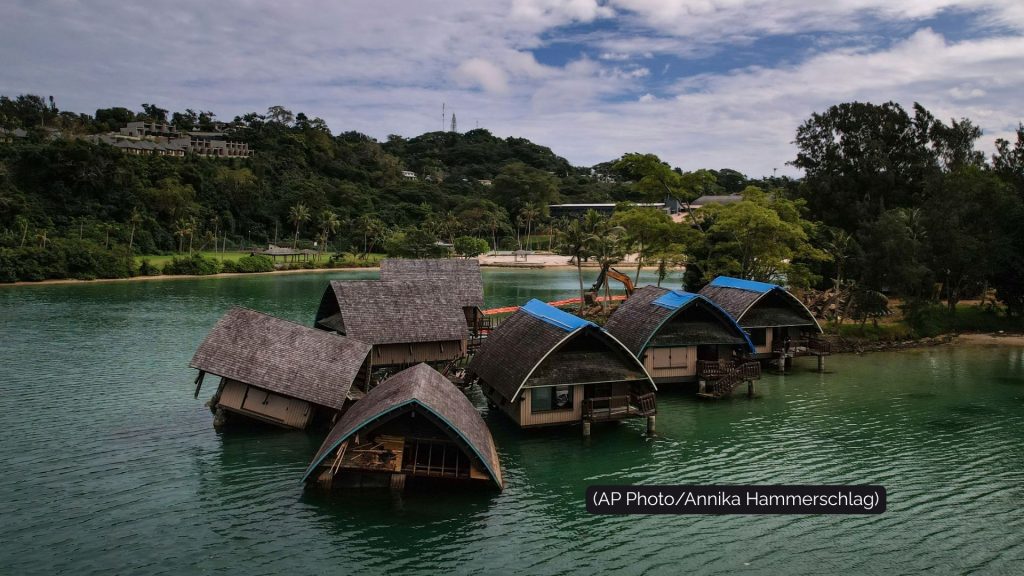
- Analyse how the causes and impacts of climate change are unevenly distributed across regions, and how these injustices manifest in different forms and scales
- Conduct research to find real accounts of those being impacted, and devise questions for extracting information sensitively
GreenComp alignment:
- Systems thinking
- Supporting fairness
- Exploratory thinking
This unit could be used in humanities, law, or language classes.
Unit project:
Students will find a human story to tell. After going through the text, they should then find one person to tell their story of climate injustice. The person they find are either suffering from the impacts of climate change more than others, or doing something to create change in their community which is more severely affected by climate change than others. This doesn’t have to be someone living far a different lifestyle far away. It might be someone within their own community. Students can find people using social media, or by first doing research to find out which communities and areas are most impacted by climate change in their country, and then asking around to find out who they could talk to. It is up to you and the students whether or not they indeed conduct the interview. In any case, students should make a list of questions they would ask.
Time frame:
We recommend using two to three classes on this unit: one class to go through the materials together, and a second and third class to have students conduct research and get each other’s help and feedback. If you choose for students to indeed conduct an interview, take a third class to have students present their findings from their interview.
Lesson slides are included in the pdf.
Other resources for further reading
Our World in Data – CO₂ emissions by country and historical responsibility
https://ourworldindata.org/co2-emissions and https://ourworldindata.org/data-insights/which-countries-have-contributed-the-most-to-historical-co-emissions
Oxfam International on climate inequality:
- Carbon Inequality Kills: Why curbing the excessive emissions of an elite few can create a sustainable planet for all (2024) https://policy-practice.oxfam.org/resources/carbon-inequality-kills-why-curbing-the-excessive-emissions-of-an-elite-few-can-621656/
Climate Equality: A Planet for the 99% (2023) https://policy-practice.oxfam.org/resources/climate-equality-a-planet-for-the-99-621551/